A blog by Ahmad Humeid. Since 2003. Currently for Instagram text overflow.
- 2003-2014 Archive (1,215)
- About this site (6)
- Analogue life (414)
- Architecture (141)
- Book receommendations (7)
- Branding (178)
- Conferences (109)
- Design (207)
- Digital life (452)
- Family stuff (91)
- Filmmaking (74)
- Podcasting (22)
- Publishing and media (411)
- SYNTAX (101)
- The web (224)
-
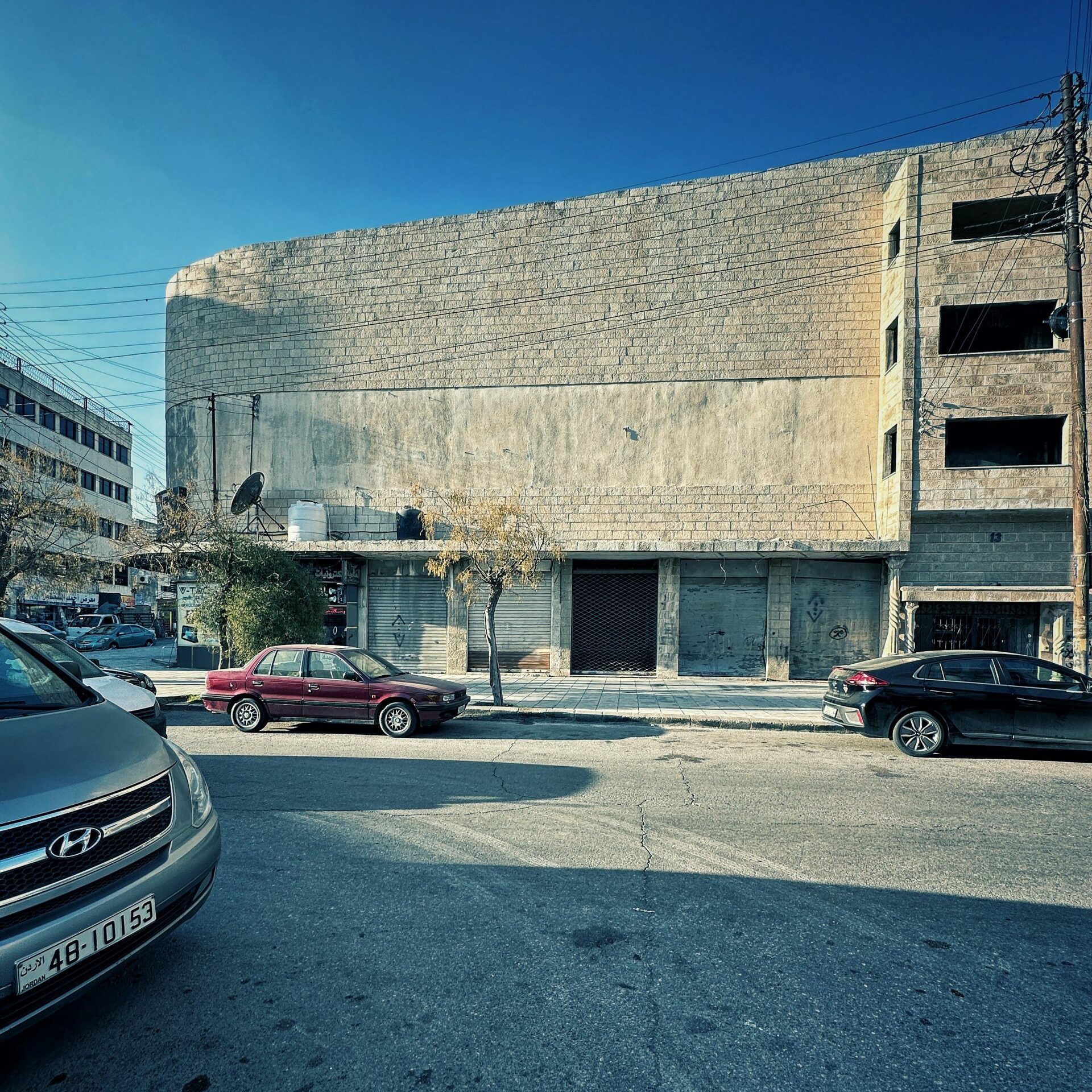
Ghost in the theatre
How many ghosts of yourself have you left lingering in this city? Can you remember where you left them? more
-
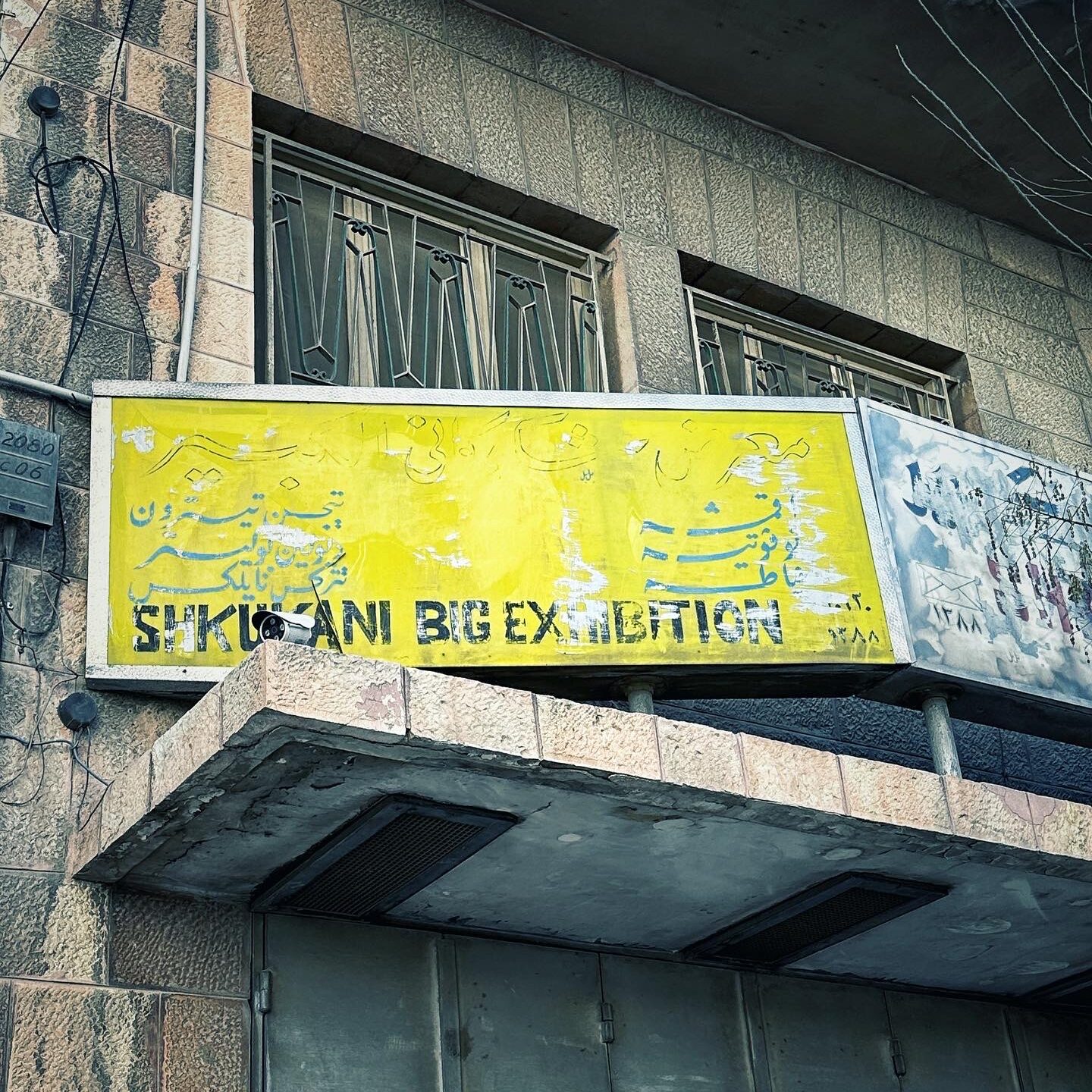
Nouveauté
I once dreamt that I was transported back in time and drove through the streets of Amman, maybe in the 1960s. Who were those people who built these handsome houses? Who opened the shops with neatly calligraphed signs. more
-
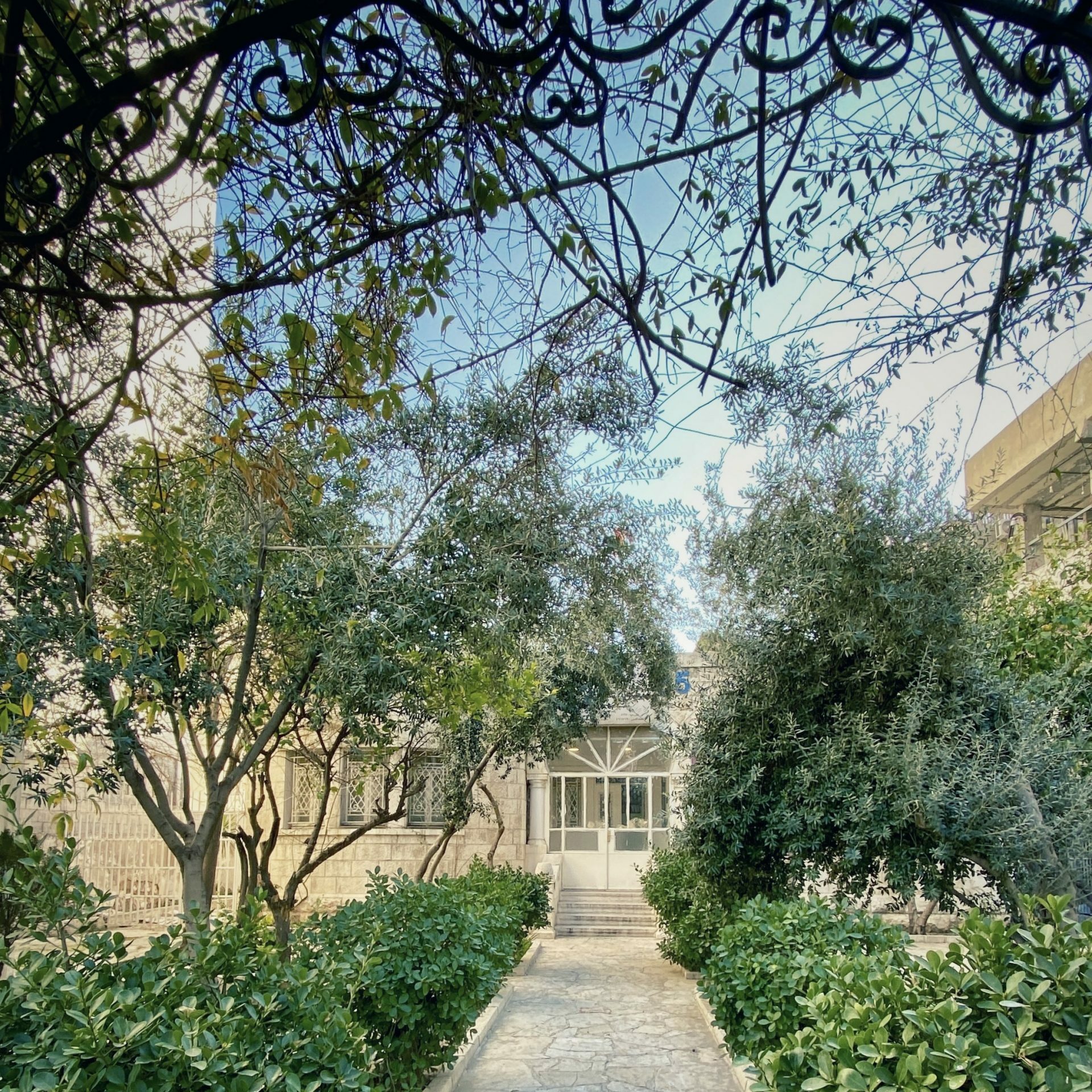
Beauty & tragedy
Tread carefully as you walk the streets of your city. Your eyes might be catching a glimpse of great beauty, but your feet may be touching a site of great tragedy. more
-
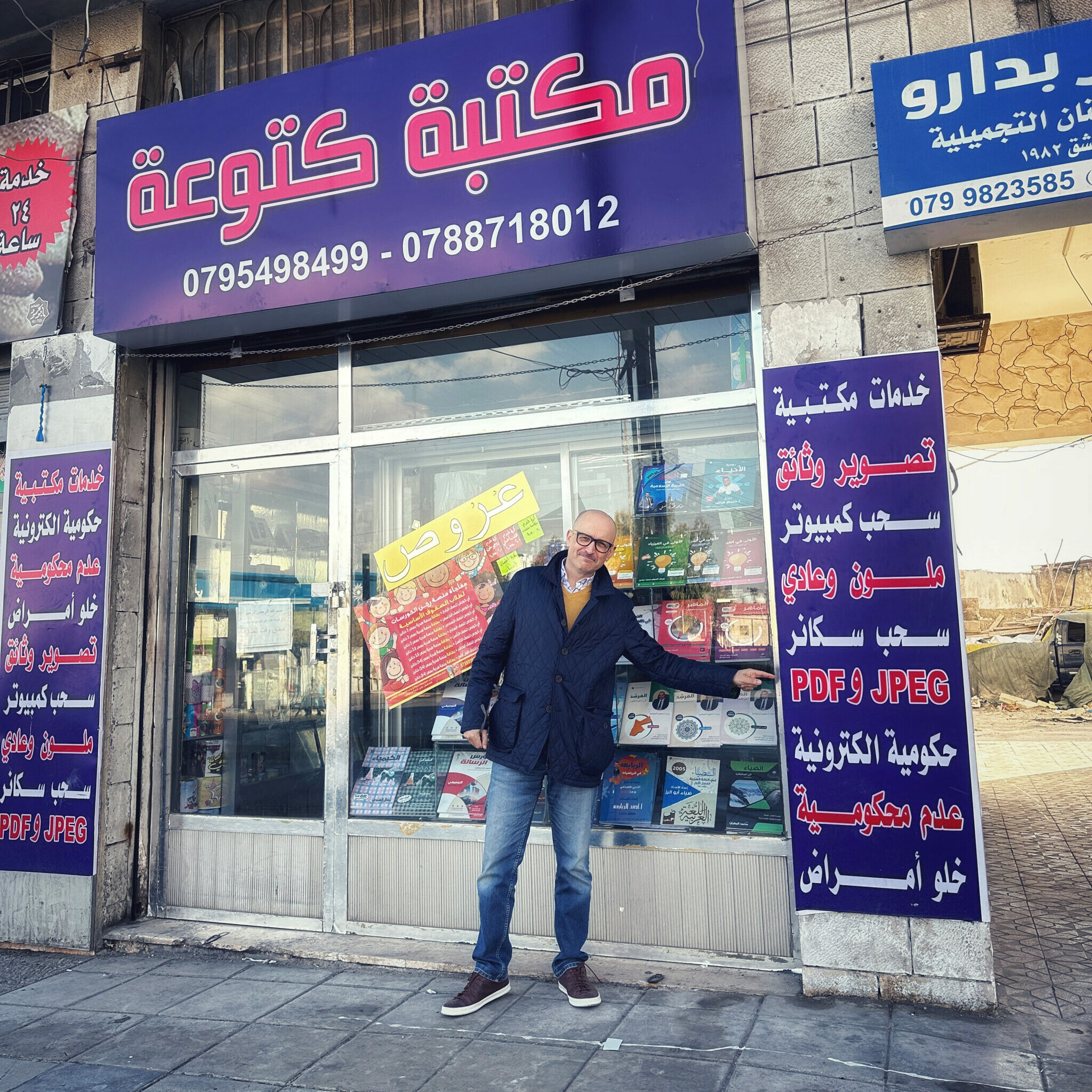
Tawjihi high school blues
Kattu’a bookshop evokes a very specific memory in me: Tawjihi. That end-of-high-school-examination monster of the Jordanian education system that refuses to die. more
-
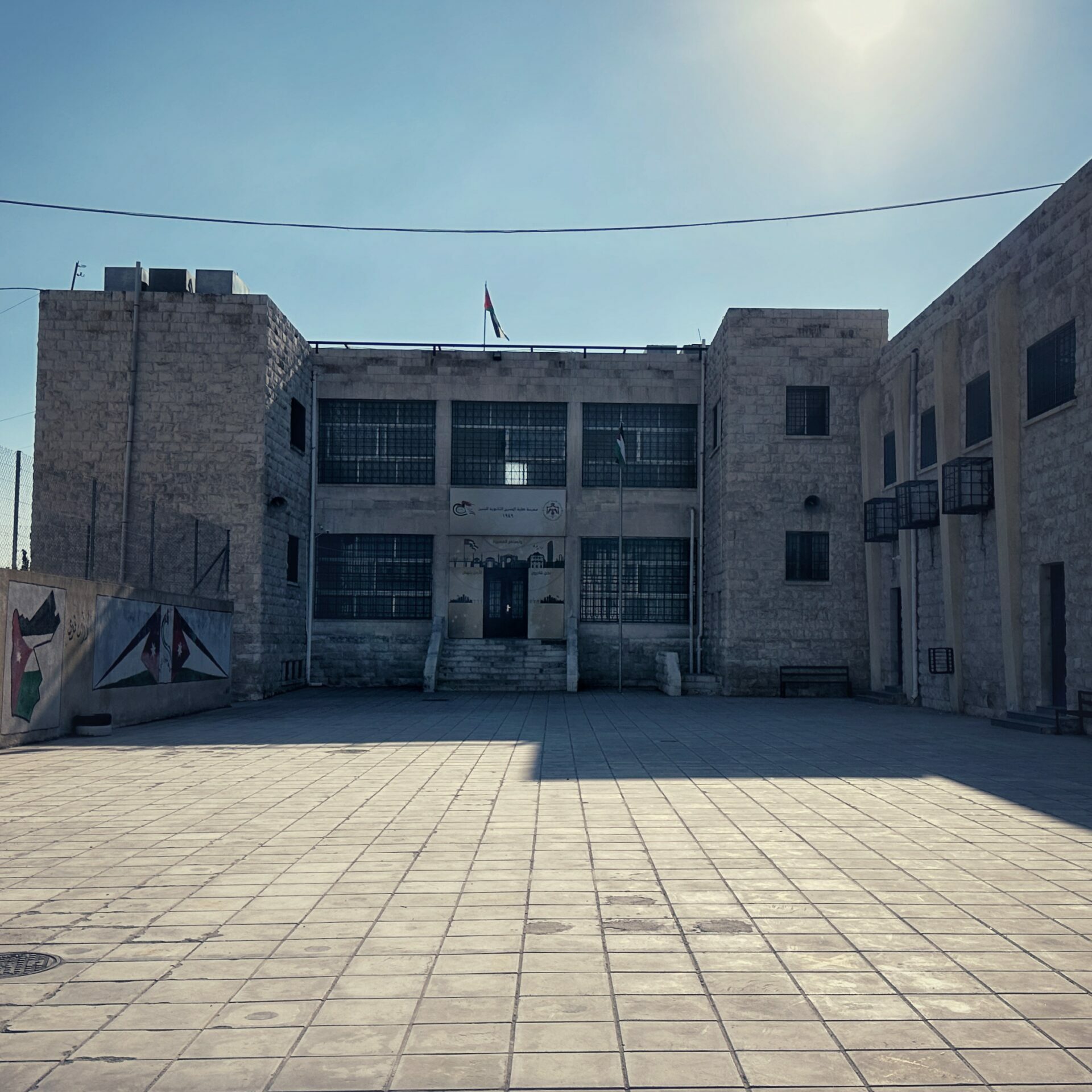
600 mornings
For 600 mornings I stood here. Dressed in beige, exactly like the other 1000 teenage boys, standing in a formation of straight columns on the concrete tarmac. more
-
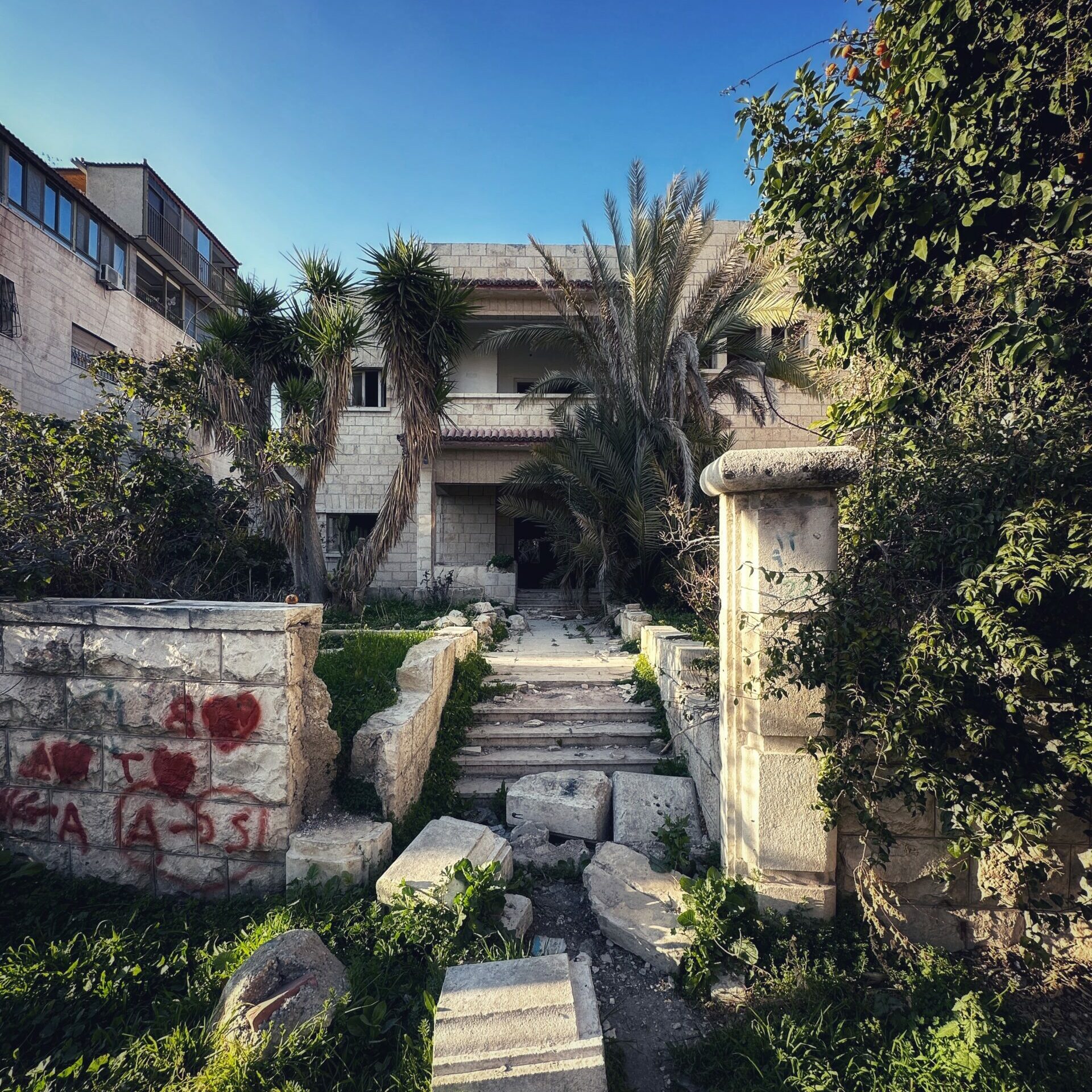
Jabal Al-Hussein. Revisited.
Amman. Hard to explain. Temporary permanence. Self denial. False starts and fruitless hopes. A story forgotten before it can be remembered. more
-

Hello world? Again?
If you knew 360east from 2003-2015 please leave a comment. It would be nice to hear from you. I still meet people who remember this blog. If you are new here, here is some context. So here we go again. Er… Hello world. Are you still there? more
-
///THE ARCHIVE///
2015
-
///THE ARCHIVE///
IKEA finally arrives in Jordan. But how cheap/expensive is it?
The mighty IKEA is here. Certainly one of my favorite brands. Part of my and my wife’s childhoods in Germany. The number 1 shopping destination whenever I went to Dubai in my late 20s and throughout my 30s. And, as with everything in Jordan, IKEA is 10 years late for us. OK, I am exaggerating… more
-
///THE ARCHIVE///
Jordan was made almost 100 years ago, now we need to make Jordanians
“The Jordanian Spring in the continuation of Jordan’s founding story (or why doesn’t Jordan’s status as a “modern country”, translate into proper urban and town living for its citizens, better-serviced cities and a generally better lifestyle for all of us?)” What is all of this about? Below is a translation from Arabic that I attempted… more